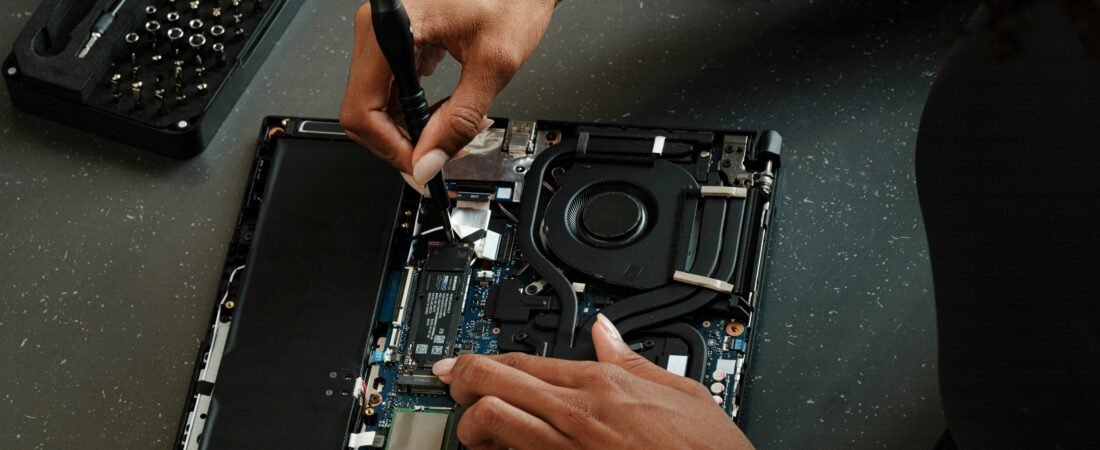
The Professional Case for Refurbished Technology
In an era of rapid digital transformation, refurbished technology offers a strategic bridge between high-performance computing and fiscal responsibility. By utilizing professional restoration processes, pre-owned hardware is returned to like-new condition, providing a reliable solution for those seeking peak performance without the premium cost of new equipment.
Due Diligence: Selecting Enterprise-Grade Hardware
Successful integration of refurbished technology requires a commitment to quality assurance. It is essential to source hardware that has undergone certified testing and includes comprehensive warranty coverage. Professional buyers should prioritize vendors with transparent return policies and documented refurbishment protocols to ensure long-term operational stability.
Advancing the Circular Economy
The growing demand for refurbished devices reflects a global shift toward sustainable consumption and the circular economy. Innovation in the refurbishment industry has drastically improved the availability of high-spec laptops, smartphones, and tablets. By extending the lifecycle of these assets, organizations can meet their ESG (Environmental, Social, and Governance) goals while maintaining a competitive technological edge.
Pros and Cons of Refurbished Technology
Pros
- Excellent value for money for enterprise-grade specs.
- Certified testing ensures reliable performance.
- Supports corporate sustainability and ESG goals.
Cons
- Battery life may vary compared to factory-new units.
- Packaging may not be original retail boxes.
- Requires careful vendor selection for quality assurance.